
Import Export Code (IEC)
Get Free Consultation
Introduction to Import Export Code (IEC)
In today’s globalized economy, businesses often seek to expand their horizons by engaging in international trade. To facilitate this, the Government of India requires businesses involved in importing or exporting goods to obtain an Import Export Code (IEC). The IEC is a unique ten-digit code that acts as a key identifier for businesses in the realm of international trade. This guide aims to provide a detailed overview of IEC, its significance, application process, and key considerations for businesses.
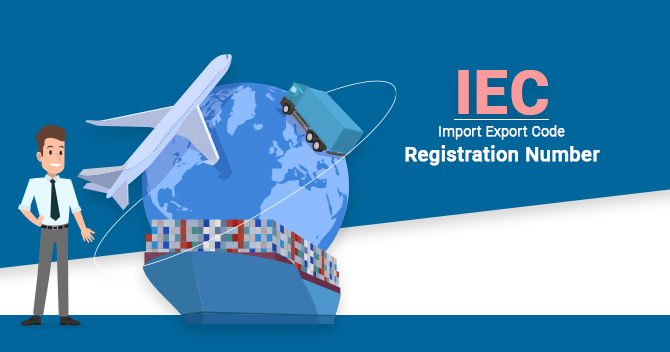
What is Import Export Code (IEC)?
The Import Export Code (IEC) is a mandatory registration for all businesses engaged in the import and export of goods. It is issued by the Directorate General of Foreign Trade (DGFT) under the Ministry of Commerce and Industry, Government of India. Without an IEC, businesses cannot engage in any international trade activities.
Key Features of IEC
- Unique Identification: The IEC serves as a unique identifier for businesses in the global trade environment.
- No Expiry: Once issued, the IEC does not have an expiration date, provided there are no changes in the business structure.
- Simplified Process: The application process for obtaining an IEC is relatively straightforward and can be completed online.
Importance of IEC
Legal Requirement: Having an IEC is a legal obligation for any entity engaged in importing or exporting goods. It ensures compliance with the government regulations.
Facilitates International Trade: The IEC simplifies the process of engaging in international trade by providing a structured framework for businesses.
Access to Benefits and Subsidies: Registered businesses can avail various benefits, incentives, and subsidies provided by the government for exporters.
Banking and Financial Transactions: The IEC is essential for opening a Foreign Currency Account (FCA) with banks and facilitates foreign exchange transactions.
Import of Goods: Businesses must possess an IEC to import goods, enabling them to enter global markets and source products from abroad.
Who Needs an Import Export Code?
Any entity engaged in international trade, whether a sole proprietor, partnership firm, company, or even an organization, requires an IEC. This includes:
- Manufacturers
- Traders
- Exporters and importers
- Service providers involved in international business
Eligibility Criteria for IEC Registration
To be eligible for IEC registration, applicants must meet the following criteria:
- Business Registration: The applicant must be a registered entity, such as a sole proprietorship, partnership, company, or LLP.
- Valid PAN: The applicant must possess a valid Permanent Account Number (PAN) issued by the Income Tax Department.
- Bank Account: A current bank account in the name of the business is mandatory for IEC registration.
At AK Tax Consultancy, we specialize in providing personalized and professional tax services tailored to meet the unique needs of individuals and businesses. With years of experience in the tax industry.
- © 2024 AK Tax Consultancy. All Rights Reserved.